
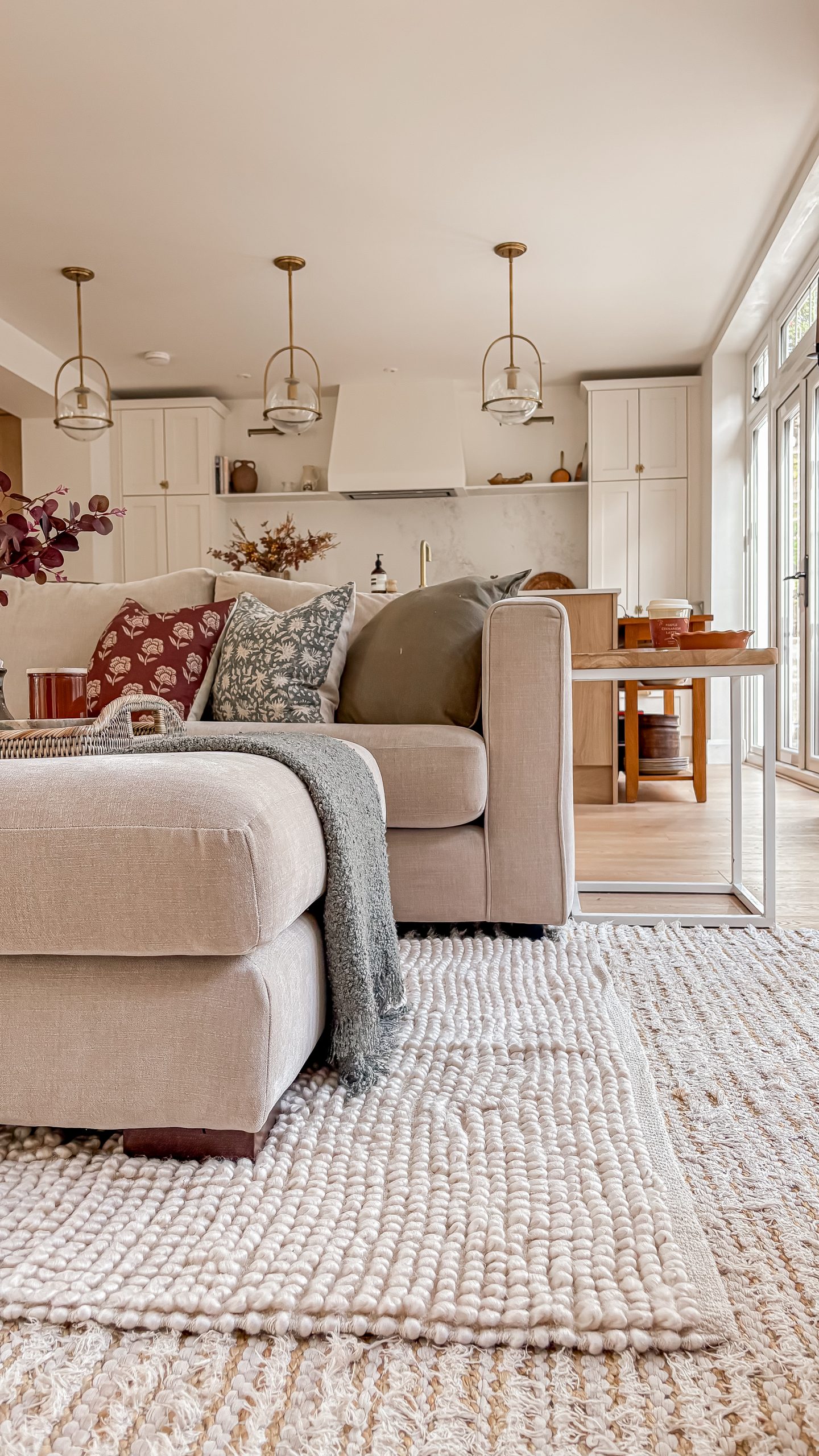
Throughout the 2010s, you likely saw grey dominate minimalist and neutral interiors because it offered a modern look that worked almost everywhere. However, today, we’re seeing a shift toward warmer brown-based palettes and I’m SO here for it!
These colours make your space more grounded than cool grey tones. Whether you prefer rustic or contemporary interiors, you can use shades like taupe, mocha and chocolate to add warmth while maintaining the simplicity that makes neutral design so appealing.
Why Brown Is Replacing Grey as the New Neutral
For years, grey interiors defined modern minimalism, but many homeowners eventually felt that cool grey spaces looked overly sterile. While grey can still be a charming shade, it can also appear unyielding and somber, which often reminds people of industrial environments rather than comfortable living spaces.
As your home is a place for relaxation, you may be drawn to warmer interiors that are more lived-in. Design trends centered around organic materials also helped revive brown tones, leading designers to embrace shades inspired by wood and stone to create deeply comforting interiors.
This is absolutely my style as I adore the modern organic style!
The Influence of Fashion and Lifestyle Trends on Brown Interiors
As earthy tones became more popular in fashion, you could also see the same warm palettes influencing interior design, especially through shades like camel and terracotta. The appeal of cosy minimalism encouraged homeowners to create spaces that are emotionally grounding rather than stark or overly polished.
Social media platforms and design-focused content also accelerated the popularity of warm brown aesthetics. They showcase layered interiors filled with natural textures, soft lighting and earthy colour palettes that make your home stylish.
How Warm Brown Tones Transform Modern Design
When you decorate with shades like mocha and chocolate, your space often feels more dimensional. Brown tones also pair beautifully with natural materials such as linen, leather and stone, which allows you to create a visually balanced home. Even wood-look finishes on steel or composite surfaces can add warmth and character without the high maintenance of natural wood.
Instead of creating the cool and sometimes stark appearance associated with older minimalist trends, brown supports a softer form of minimalism that is comfortable to live in every day. Because earthy neutrals work so well across Japandi, rustic and contemporary interiors, you can easily layer different brown shades to create timeless spaces.

Common Mistakes to Avoid When Decorating With Brown
While brown tones can make your home feel warm, using too many dark shades in one space can sometimes create a heavy or enclosed atmosphere. When you decorate a room with darker colours, more light gets absorbed by the paint and furniture, which makes it harder for your eyes to distinguish between different objects and darker shades.
To keep your interiors balanced, you can pair deeper browns with lighter neutrals such as cream or beige while layering varied textures to create dimension. Lighting also plays a major role in how warm earth tones appear during the day. Natural sunlight can make brown shades cosy, while dim lighting may make the same colours appear denser or more dramatic.
Ways to Use Brown Shades in the Home
If you want to bring brown hues into your home without fully redesigning your space, you can start with warm taupe or mushroom paint colors on your walls because they add softness while keeping your interiors bright and neutral. Layering multiple brown textures through wood furniture and soft upholstery also helps your rooms be more visually dynamic without creating clutter.
Textured rugs and ceramic decor can introduce depth while still preserving the clean simplicity that makes minimalist interiors so appealing. For a more balanced palette, you can pair brown shades with olive green or muted blue to create spaces that are naturally cohesive.
Why Warm Brown Neutrals Are More Timeless
Embracing earthy tones lets you maintain the simplicity of minimalist design while adding more texture and personality to your home. Instead of relying on cool grey palettes that may be impersonal, you can use warm brown neutrals to create spaces that feel naturally connected to how people want to live today.
