

What Sightlines Are and How They Shape a Room’s Feel
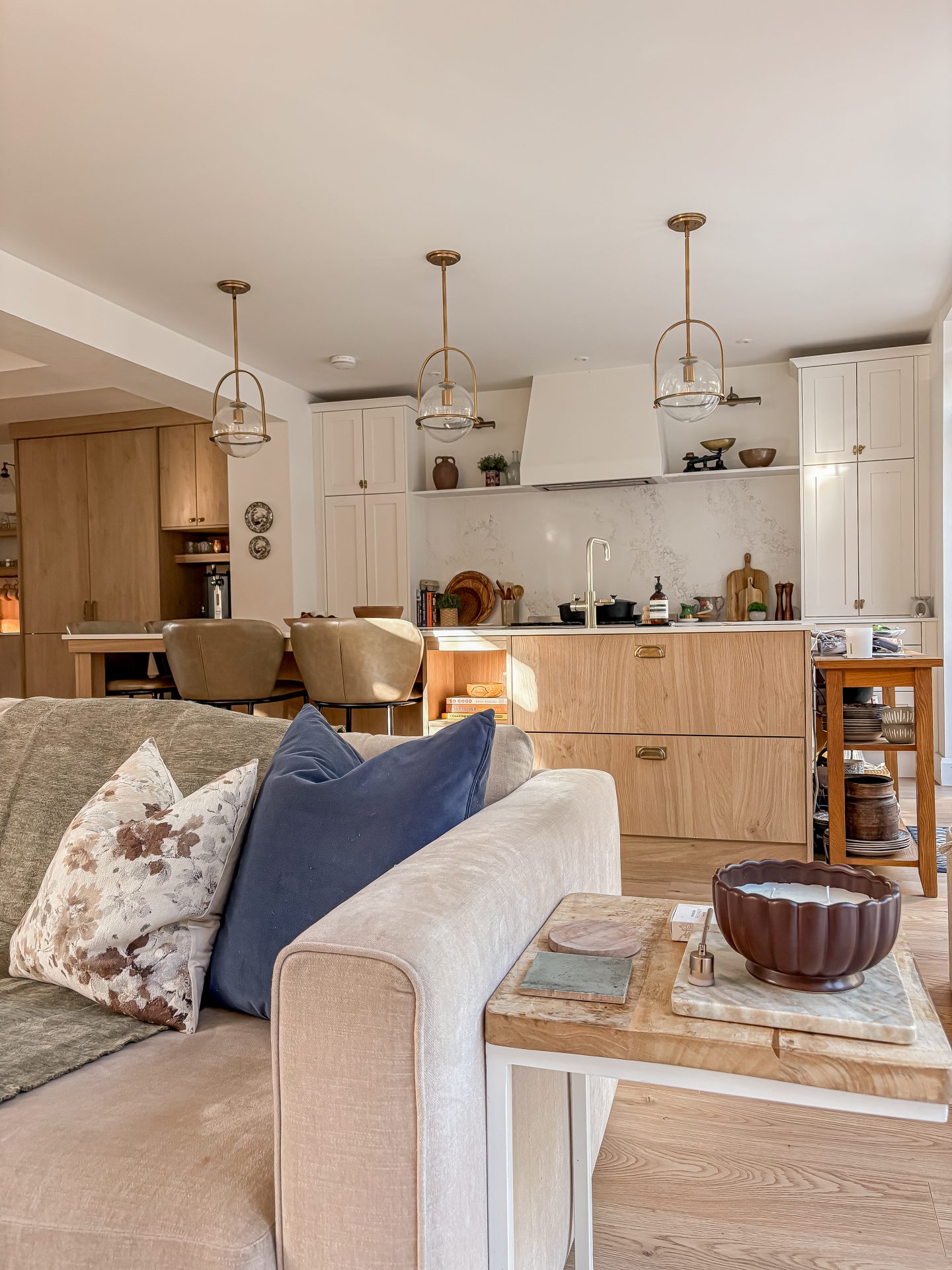
In interior design, a sightline describes the path that your eye naturally follows through a space, connecting each element for a cohesive experience. This can be the direct line from the front door to a room’s focal point, any detours to a statement piece or hallway, or even anything that interrupts the visuals along the way.
Designers care about sightlines because they shape your emotional response to a space. A well-planned sightline feels intentional and draws you toward focal points like a window with a view or a carefully placed piece of art. Conversely, a poorly planned sightline can feel chaotic, with competing elements pulling your attention in multiple directions at once.
Essentially, when a room’s arrangement makes sense, the whole space feels a lot more grounded and comfortable. It’s as subtle yet intrinsic as reading from left to right. Your brain looks for patterns and expects a logical flow
How Clutter Disrupts Your Sightlines and Your Calm
When sightlines become cluttered or blocked, they can create a subtle mental friction that affects how you feel in a space. Any misplaced object, busy surface or obstructed view interrupts the flow your brain craves. For minimalist homes, especially, even small amounts of clutter can disrupt that visual clarity.
Common culprits that disrupt sightlines include:
Beyond visual interruptions, clutter creates decision fatigue because every item represents an unfinished task or a choice your mind unconsciously registers. Clear sightlines reduce this cognitive load and help your space feel calm and cozy
How Designers Use Sightlines to Create a Private Retreat
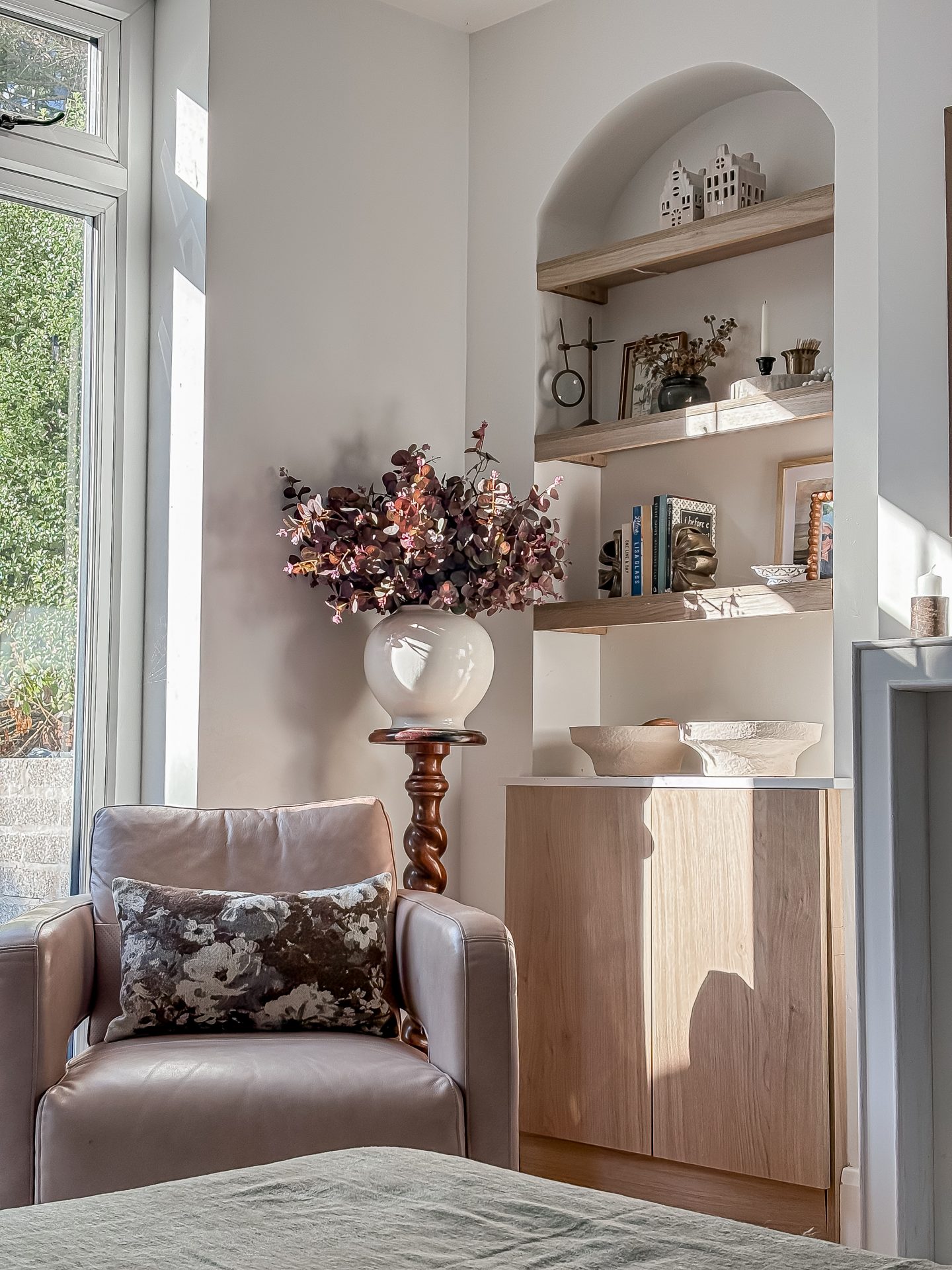
When it comes to using sightlines to make your home feel like a personal sanctuary, thoughtful designers can frame views strategically and position furniture to guide your gaze toward calming focal points. Any room in your home can become this private retreat where you can pause and breathe.
The approach comes down to using privacy to guide your overall sense of calm. For instance, constant visual noise from traffic, neighbors or interruptions keeps the nervous system on alert, maintaining a low-level stress response even when you’re trying to relax. Similarly, a well-planned interior view reduces sensory overload and gives your mind permission to shift out of that heightened state
How to Enhance Your Home’s Sightlines
Small, intentional adjustments can completely shift how a room feels and functions. Consider these strategies to enhance the flow in your home when making your own personal retreat:
Sightlines are emotional architecture. They shape how a room looks, which influences your feelings about the space. Take a moment to look at your home with fresh eyes. Consider making a small adjustment like decluttering a surface or opening a view to a quiet corner to make your space feel more inviting and relaxing.
Thank you for making this sponsored post possible
